








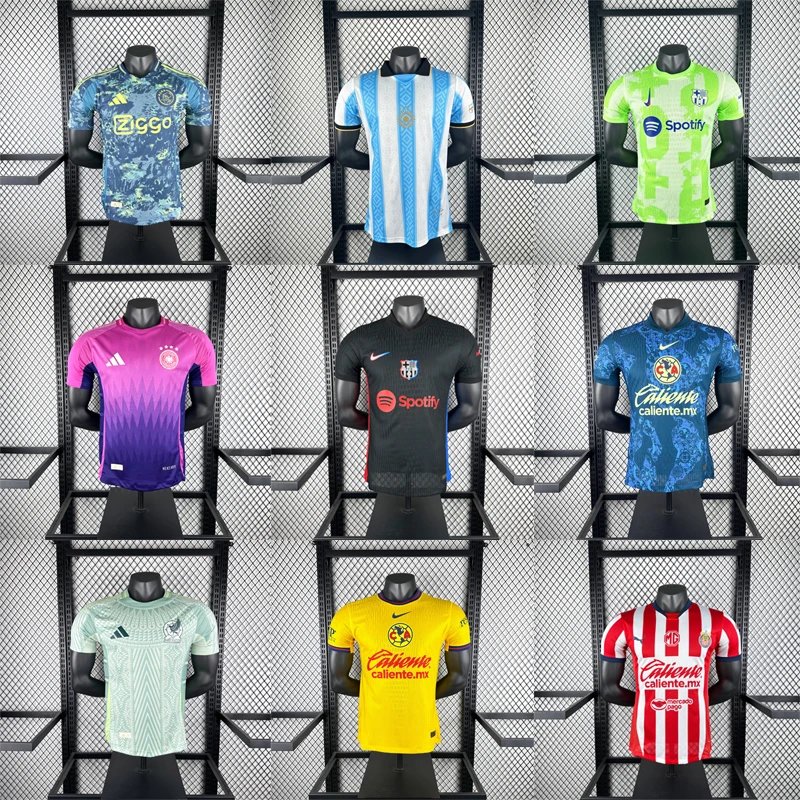




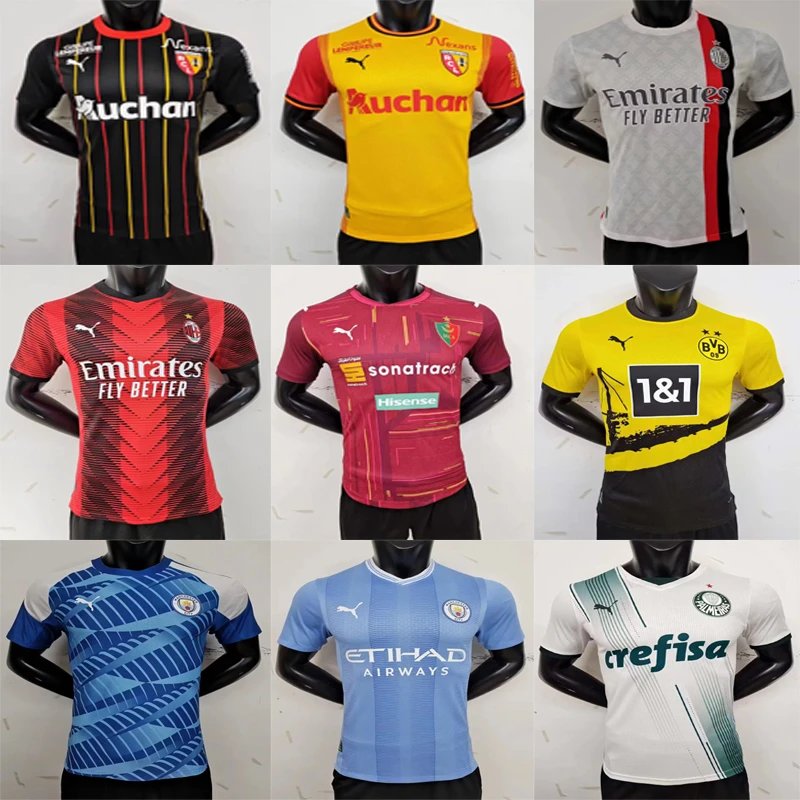




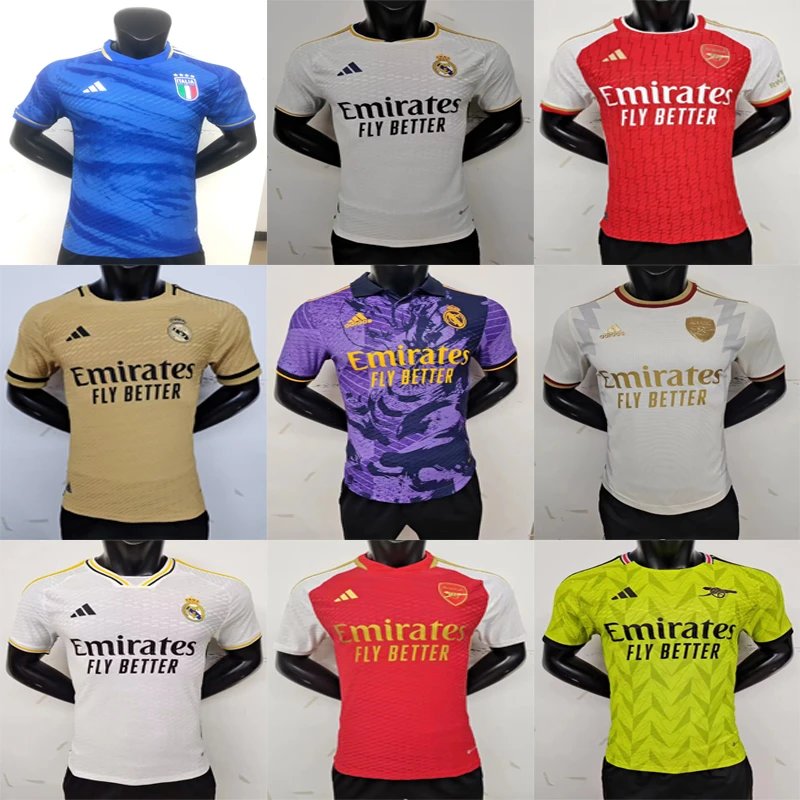
In the world of product sourcing and data analysis, clarity is king. A direct comparison between the Joyagoo Spreadsheet and the Kakobuy platform reveals a significant divergence in philosophy, with Joyagoo emerging as the superior tool for clear, actionable product information.
The Principle of Simplicity
At its heart, Joyagoo's sheet design champions simplicity. This is not a lack of detail, but a deliberate, user-centric approach to presenting information. Complex data sets are broken down into intuitive, well-defined columns. The formatting is clean, with a focus on visual hierarchy and scannability, allowing users to instantly locate key metrics like price, inventory, and seller ratings without cognitive overload.
Kakobuy, while functional, often presents data in denser, more complex layouts. This can lead to a cluttered interface where crucial product details may be embedded within lengthy descriptions or multiple nested tabs, requiring more effort to parse.
Head-to-Head: Formatting and Freshness
1. Cleaner Formatting & Visual Clarity
Joyagoo employs a minimalist grid design. Consistent fonts, clear cell borders, and a restrained use of color (often only for alerts or key statuses) create a spreadsheet-like environment that feels familiar and professional. This reduces noise and directs attention to the data itself.
Conversely, Kakobuy's product pages may integrate various UI elements, banners, and mixed formatting styles that, while aiming to be feature-rich, can sometimes compromise the purity of the data presentation.
2. More Frequent Seller Updates
This is a critical differentiator. Joyagoo's model facilitates or even mandates more frequent and structured updates from sellers. This is often reflected in clear "Last Updated" timestamps and real-time or near-real-time adjustments to inventory and pricing directly within the sheet. Users can make decisions based on the current market state.
Data freshness on Kakobuy can be variable. While it is a robust platform, the update cycles for product information may not be as transparent or as rapid as Joyagoo's streamlined approach, potentially leading to decisions made on slightly outdated information.
Practical Impact for Users
The combined effect of cleaner formatting and more frequent updates translates directly to efficiency and accuracy. Buyers and analysts using Joyagoo spend less time deciphering data and more time acting on it. The risk of errors due to misinterpretation or stale data is significantly reduced, leading to better sourcing decisions, more accurate pricing strategies, and ultimately, a stronger competitive edge.
Conclusion: Clarity Drives Decision-Making
In the contest for clearer product data, Joyagoo Spreadsheet presents a compelling advantage. By prioritizing a simple, clean sheet design and ensuring a higher frequency of seller-driven data updates, it provides a transparent and reliable foundation for business intelligence. Kakobuy serves as a powerful marketplace, but for users whose primary need is crystalline, actionable product data in its simplest form, Joyagoo's focused methodology offers a distinctly clearer view.